The Blackstone Review seal — a portrait of Sir William Blackstone ringed in gold, with laurels and the motto Iudicium
The

BLACKSTONE

Law Review Competition

In Association with Quant Terminal LLC

The same story, countless interpretations. Where will yours lead?

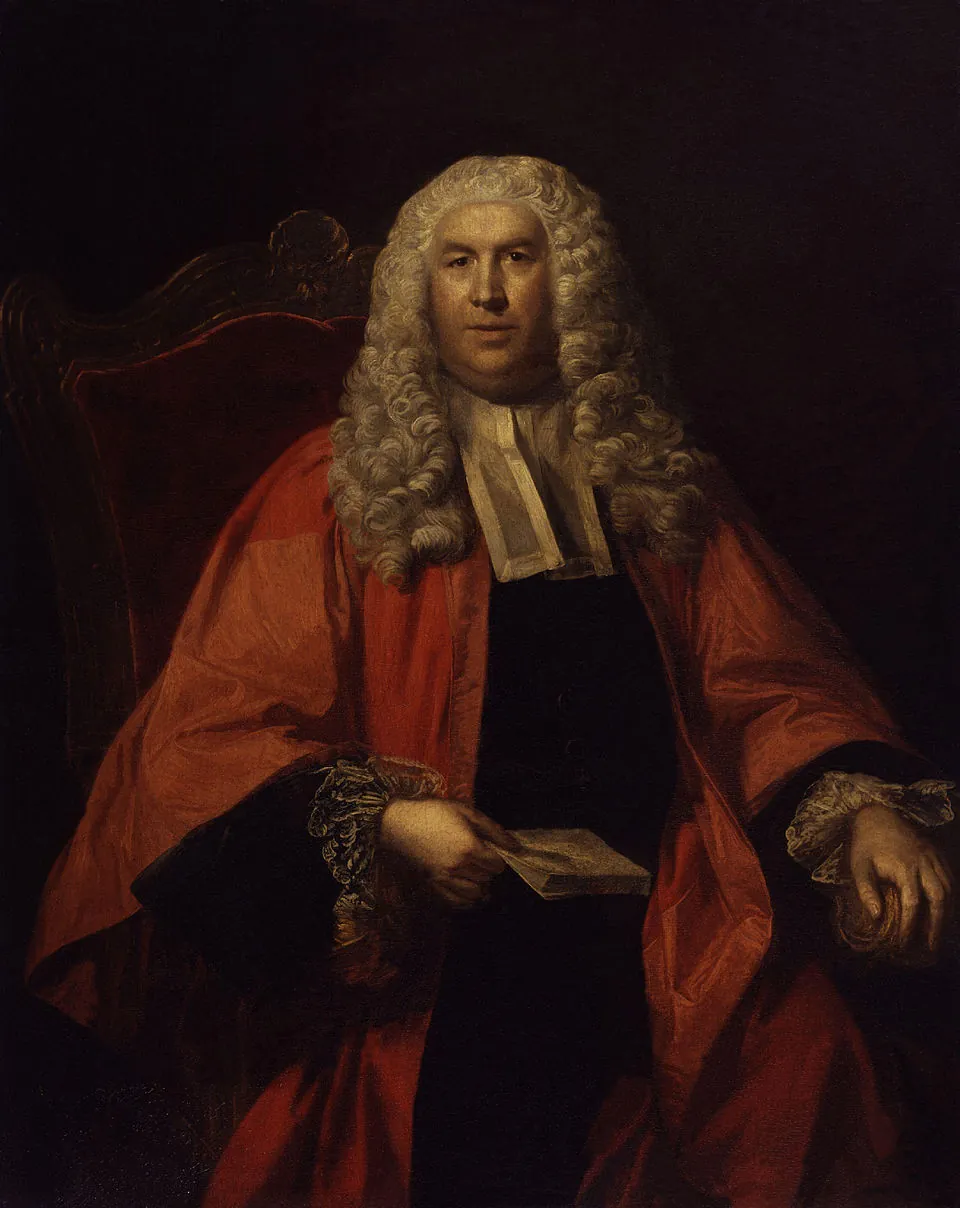
Portrait of Sir William Blackstone in scarlet judicial robes, holding a paper. National Portrait Gallery; public domain.
Sir William Blackstone  ·  1723 – 1780
“The public good is in nothing more essentially interested, than in the protection of every individual’s private rights.”
Commentaries on the Laws of England  ·  Book I

The Blackstone Law Review Competition exists to reward rigorous legal writing before university and during it. Papers are judged double-blind by a volunteer panel of law professors, postgraduates, and graduates, and the Grand Prize papers are published in full in the annual Blackstone Law Review.

2026 – 2027 Cycle

Official Timeline

1 September 2026
Registration Opens — Packet In Hand
Register free, receive your unique Registration ID, and download the case packet the same day. The earlier you register, the longer you have to write.
31 January 2027
Registration Closes
The last day to enter the cycle. Registered entrants keep full portal access through the deadline — but no new entrants after this date.
31 March 2027
11:59 PM BST
Submission Deadline
Submit through the portal by 11:59 PM BST. Resubmit as often as you like — only the latest file you upload before the deadline is judged.
10 April 2027
11:59 PM BST
Late-Entry Deadline
Missed the deadline? Papers are accepted for ten further days with a £15 late-entry fee. Nothing is accepted after 10 April.
1 June 2027
Shortlist Announced
Every entrant is notified, and the shortlist is published by Registration ID: the top 20% of the field, each with their graded award. The three Grand Prize authors are contacted privately — the winners are announced publicly in August.
August 2027
Grand Prize & The Blackstone Symposium
The three Grand Prize winners are announced, and their papers published in full in the inaugural edition of The Blackstone Law Review, alongside the editorial-board masterclass. Winners are invited to present their work — never required. We hope to hold an accompanying conference in Cambridge, Massachusetts; the venue is not confirmed, and the Symposium runs online regardless.
The Process

How It Works

Everyone works from the same record; what differs is the argument you build from it. Four steps, from packet to publication.

I

The moment you register, download the case packet from your portal. It holds the factual record, statutes, regulations, and court decisions permitted in the competition — everything you need. No previous legal study is required, and a Bluebook citation guide and paper template come with it to get you started.

II

Craft a law review–style paper of 2,500–3,000 words: analyse the dispute, weigh both sides, and argue how it should be resolved — concisely, every authority in Bluebook form. It is a closed universe: you may rely only on the packet, so no one's library or tutor is an advantage.

III

Upload your PDF any time before 11:59 PM BST on 31 March 2027 — resubmit as often as you like, and only your latest version is judged. Miss it? A ten-day late window follows, to 10 April, for a £15 fee.

IV

Papers are marked double-blind against a published rubric by at least two readers. The top 20% earn graded awards; the three finest overall take cash prizes and publication in The Blackstone Law Review.
Writing Resources & Paper Template

Two Divisions

Eligibility

Junior Division

Open to secondary and high school students worldwide — typically Year 12–13 in the UK, or high school juniors and seniors internationally — seeking to build a competitive academic profile. Entrants must be at least 13 years old; under-18s require parent or guardian consent.

Senior Division

Open to undergraduate university students currently studying law, the humanities, or the social sciences at any institution worldwide.

Published in Advance

Rules, Rubric & Judging

Word limits, the closed-universe rule, the complete scoring rubric, and how the double-blind judging works — every standard your paper is held to, set out in full before you write a word.

Read the Rules & Rubric

We Read · We Rank · The Top 20% Are Honoured

Prizes & Recognition

Every paper is read and ranked against the published rubric. The top twenty per cent of the field are shortlisted, every shortlisted paper earns a graded award — and the three finest overall take the Grand Prizes.

Second Overall
£250
  • Cash prize
  • Published in The Blackstone Law Review
  • Grand Prize certificate
First Overall
£500
  • Cash prize (or local equivalent)
  • Published in full in the inaugural edition of The Blackstone Law Review
  • An invitation to a private virtual masterclass with the editorial board
Third Overall
£100
  • Cash prize
  • Published in The Blackstone Law Review
  • Grand Prize certificate

High Distinction

Top 5%

The strongest shortlisted papers beneath the Grand Prizes.

Distinction

Top 10%

Work of conspicuous rigour and clarity.

Honorable Mention

Top 15%

Papers of genuine merit across the field.

Academic Recognition

Top 20%

Every shortlisted entrant is honoured by name-free certificate.

Every award is evidenced by an official certificate recording the honour and the 2026–27 cycle — built for university applications and portfolios.

Questions

FAQ

Is the competition free to enter?

Yes. Registration and submission by the 31 March deadline are entirely free — no purchase or payment is required to enter or to win, and winners are selected solely on merit. The only charge that exists anywhere is the optional £15 late-entry fee if you choose to submit during the ten-day late window after the deadline.

Who can enter?

Students worldwide, across two divisions: the Junior Division for secondary/high school students (minimum age 13; under-18s need parent or guardian consent) and the Senior Division for current undergraduates in law, humanities, or social sciences. One entry per person.

Do I need to know the law already?

No. The competition is closed-universe: everything you need — the facts, the statutes, the court opinions — is inside the case packet. What is being tested is how well you reason and write with the materials in front of you, which is exactly what law schools and law reviews test.

How long do I have, and where do I write?

The case packet is in your portal from the moment you register (any time from 1 September 2026), and papers are due 31 March 2027 at 11:59 PM BST — register early and you have up to seven months, written wherever and whenever suits you. There is no timed window and no live event; only the deadline matters.

How is this different from moot court or a normal essay competition?

Moot court tests oral advocacy and mock trial tests courtroom procedure. A law review competition tests legal research and writing — the skill law reviews and judicial clerkships actually select for. Unlike a general essay competition, your paper is built on a defined legal record and scored on reasoning and citation discipline, not general eloquence.

Is the competition affiliated with the University of Cambridge?

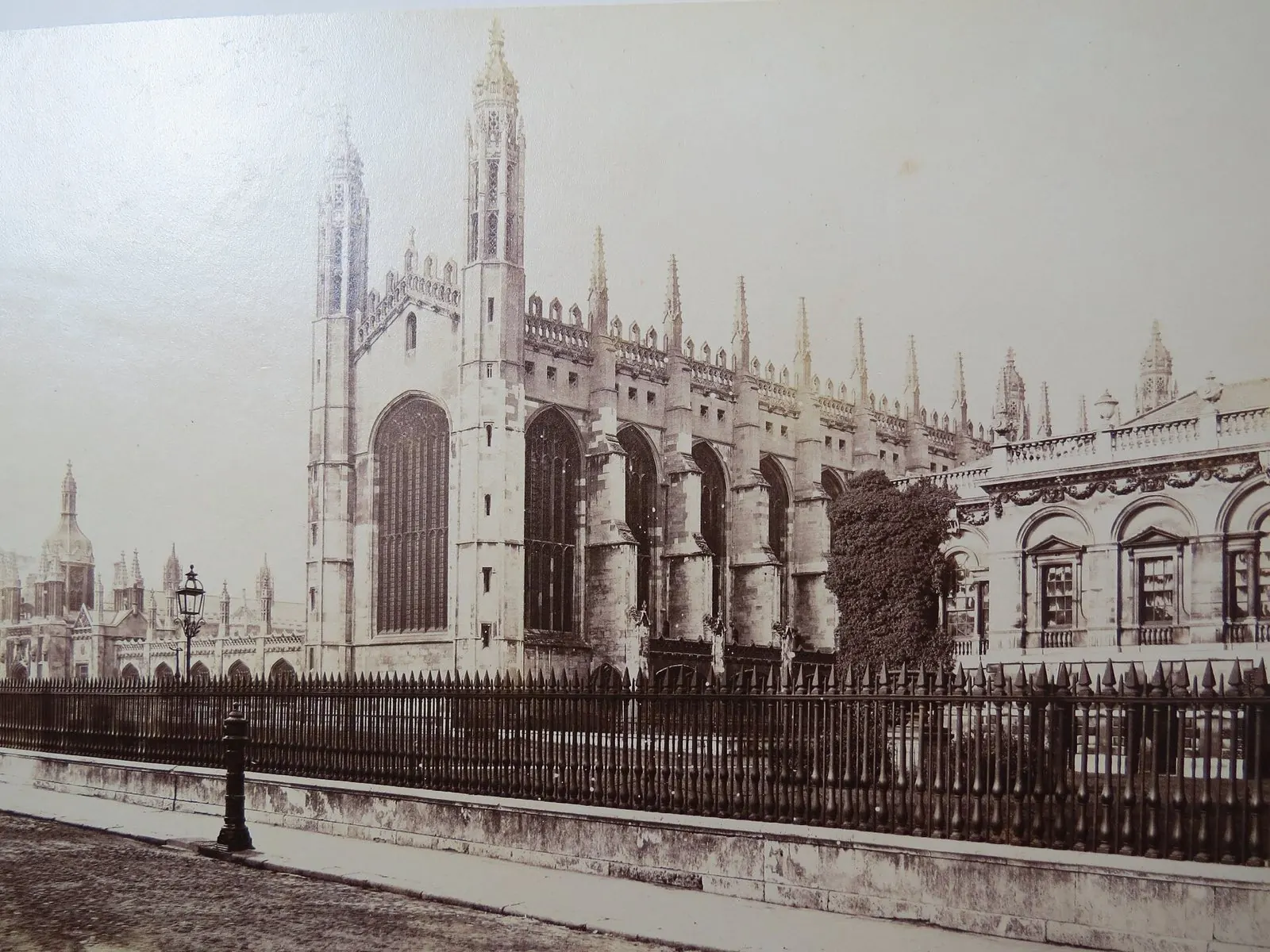
No. The Blackstone Law Review Competition is an independent academic initiative organised by Quant Terminal LLC. It is not affiliated with, endorsed by, or connected to the University of Cambridge or any of its constituent colleges.

How do I get support?

Email [email protected] and we will get back to you, usually within a day or two. Entrants should write from the email address they registered with, so we can verify the account.

What is The Blackstone Law Review?

An annual published collection of the competition's winning and commended papers. The three Grand Prize papers are published in full in the inaugural edition following the 2026–27 cycle.

2026 – 2027 Cycle

Take Your Place

Registration opens 1 September 2026. Join the interest list and be first to receive your Registration ID.